Air purifiers play a vital role in maintaining indoor air quality by reducing airborne particles, allergens, and odors. In the bedroom, a quiet, efficient unit can minimize irritants that disrupt sleep and respiratory comfort. Understanding filtration stages, CADR ratings, and room size recommendations helps determine how to select a device that aligns with personal health goals and bedroom layouts.
Key features to consider include high-efficiency particulate air (HEPA) filtration, activated carbon for odor control, and whisper-quiet operation suitable for nighttime use. Energy efficiency, filter replacement indicators, and adjustable fan speeds contribute to long-term usability. For a bedroom environment, selecting a purifier with low noise levels supports uninterrupted rest and relaxation.
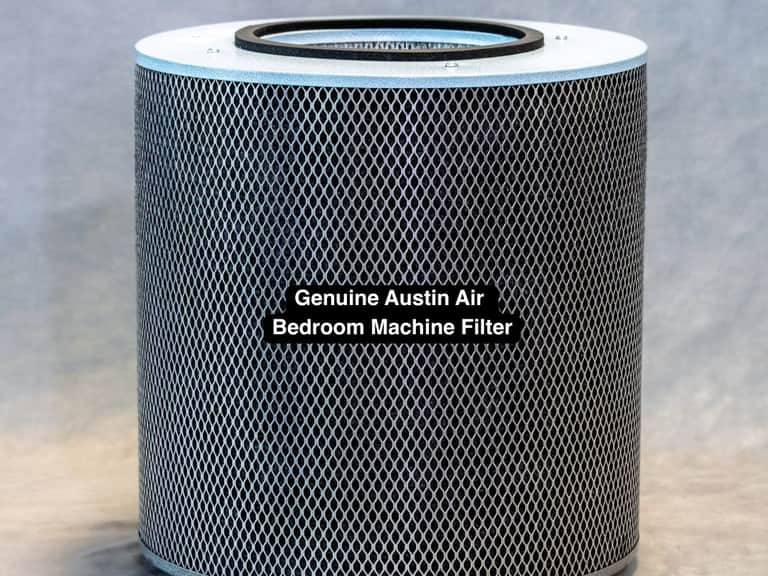
Product insights for the Bedroom Machine and Bedroom Machine Filter highlight practical benefits for home environments. The Bedroom Machine emphasizes comprehensive particle capture, including pollen, dust, and pet dander, while the Bedroom Machine Filter focuses on maintaining purifier performance through regular filter changes. Both products support cleaner air without compromising comfort during sleep.
Understanding the role of air purifiers alongside bedding materials such as sheets, pillows, and duvet covers helps illustrate overall sleep hygiene. Bedding quality influences moisture and allergen exposure, and pairing a suitable air purifier with appropriate bedding—like hypoallergenic pillows or latex mattresses—can support a healthier sleep surface for sensitivity and allergy management.
In educational terms, an effective bedroom air purification strategy combines appropriate device sizing, routine maintenance, and an awareness of common indoor air pollutants. By considering room dimensions, filtration needs, and quiet operation, users can create an atmosphere that supports restful sleep and respiratory wellness in daily living environments.
 Air Purifiers