Comparing Organic Latex Mattresses: Comfort, Support, and Health Impacts
An evidence-informed look at organic latex mattresses from leading brands, with a focus on how latex type, certification, and design choices influence sleep quality, durability, and indoor air quality. In a world where sleep concerns intersect with healthy home living, choosing the right mattress matters as much as selecting non-toxic bedding or controlling bedroom temperature and air quality.
When you step into the realm of organic latex, you’re stepping into a material that promises natural comfort, resilient support, and a lower chemical load than many conventional foams. Yet not all latex is created equal. The differences between Dunlop and Talalay processing, the nuances of natural vs. synthetic blends, and the range of certifications governing safety and environmental impact all influence how a mattress feels, how it performs over time, and how it affects your bedroom air quality. This article compares two prominent players in this space—Sleep and Beyond and Healthy Choice—through a lens that emphasizes practicality, health, and sleep science, while keeping the emphasis on the bedroom as a holistic sleep environment.
1) Understanding Dunlop vs. Talalay latex and how it shapes contouring and motion transfer
Latex can be produced using two primary methods, Dunlop and Talalay, each imparting distinct characteristics to the final product. Dunlop latex tends to be denser and more supportive, with a slightly firmer feel and robust durability. Talalay latex, on the other hand, is typically lighter and more yielding, offering a uniform cell structure that can produce a softer initial feel with consistent contouring. For sleepers who desire targeted spinal support without excessive pressure points, the choice between these two forms affects both perceived firmness and long-term resilience.
In organic latex mattresses, you may encounter combinations of Dunlop and Talalay layers to balance comfort and support. A common arrangement is a Dunlop core for foundational support with a Talalay top layer to soften the surface and improve pressure relief. This hybrid approach aims to provide a long-lasting feel while accommodating different sleep positions, from back sleepers who crave stability to side sleepers who seek gentle contouring at the shoulders and hips.
Motion transfer is another practical consideration. For couples, a mattress with good isolate-ability helps minimize the sense of partner movement. Latex is naturally responsive, which means it can transmit motion less than some conventional polyurethane foams, depending on the density and layering. In a thoughtfully designed organic latex mattress, you’ll often notice the balance between bounce and contour that reduces partner disturbance while preserving a comfortable sink-in feel for individual sleepers.
2) Certifications and what they mean for sleep health and indoor air quality
Certifications provide a framework for evaluating the safety, sustainability, and performance of latex mattresses. In evaluating organic latex options, several certifications frequently come into play:
- GOLS (Global Organic Latex Standard): The defining standard for organic latex, ensuring that the latex is produced from organic raw materials and processed without compromising organic integrity through manufacturing steps. GOLS is a primary signal of a mattress that prioritizes natural inputs and a lower chemical footprint.
- GREENGUARD Gold: A certification that emphasizes low chemical emissions, contributing to better indoor air quality. GREENGUARD Gold-listed products have met stringent thresholds for volatile organic compounds (VOCs) and other potentially harmful substances.
- GOTS (Global Organic Textile Standard): While primarily associated with textiles, GOTS is relevant for the fabrics surrounding the latex core—toppers, covers, and pillow surfaces. When a mattress uses GOTS-certified fabrics, you gain additional assurance about chemical safety and organic processing in the outer layers.
- Oeko-Tex and other independent certifications: These attest to the absence of a broad range of harmful substances in textiles and materials used in mattress covers and padding, contributing to the overall health profile of the sleep system.
The key takeaway: certifications act as a map for consumers navigating the complex world of claims and branding. A mattress that carries GOLS and GREENGUARD Gold, for example, suggests a strong commitment to organic inputs and cleaner indoor air. However, certifications are not the only signal of quality. The sourcing, manufacturing practices, and the physical construction—layering, density, and cover materials—also determine comfort, durability, and temperature regulation.
3) A practical evaluation framework for comparing latex mattresses
To make an informed choice, use a practical framework that centers comfort, support, and health considerations. The following criteria help compare options from Sleep and Beyond and Healthy Choice without getting lost in marketing claims:
- Firmness and contouring: Determine your preferred firmness and how the mattress cradles your shoulders, hips, and lumbar region. A medium to medium-firm range often suits a wide range of sleepers, but your body weight and sleep position can tilt the recommendation toward slightly firmer or softer options.
- Heat regulation and breathability: Latex has natural ventilation, but the overall temperature profile depends on density, layering, and cover materials. Look for breathable, naturally moisture-wicking covers and, if possible, a design that promotes airflow through the latex layer.
- Edge support: A mattress with solid edge support ensures consistent sleep surface, particularly for those who sit on the edge or sleep near the boundary of the bed. The core material and surrounding edge design influence this feature.
- Durability and bounce-back: High-quality natural latex tends to resist sagging better than some synthetic foams. Density and durometer levels impact both long-term durability and feel under load.
- Certifications and materials: Prioritize GOLS and GREENGUARD Gold or equivalent, and review the outer cover materials for organic certification (e.g., GOTS). Check whether any blends or additives are used in the latex or a topper.
- Allergen and chemical management: Organic latex mattresses aim to minimize chemical exposure. Inspect for anti-microbial properties or dust-mmite resistance in the cover, as well as overall cleanliness in manufacturing.
4) A look at two brands in the organic latex space: Sleep and Beyond and Healthy Choice
Sleep and Beyond and Healthy Choice stand out in the market for their emphasis on organic materials, sustainable manufacturing, and transparent product narratives. While both brands offer latex-based options, their design choices reflect different interpretations of how to balance comfort, temperature regulation, and long-term health considerations.
Sleep and Beyond frequently highlights latex-based components in sleep systems that emphasize natural fibers, breathable covers, and careful layering to optimize airflow and support. The brand’s approach often centers on the combination of certified organic materials with practical design features that support a balanced sleep environment. In evaluating their latex mattresses, look for details on the density of the latex layers, the presence of any additional comfort layers, and the specific certifications listed for both the latex core and fabric outer layers.
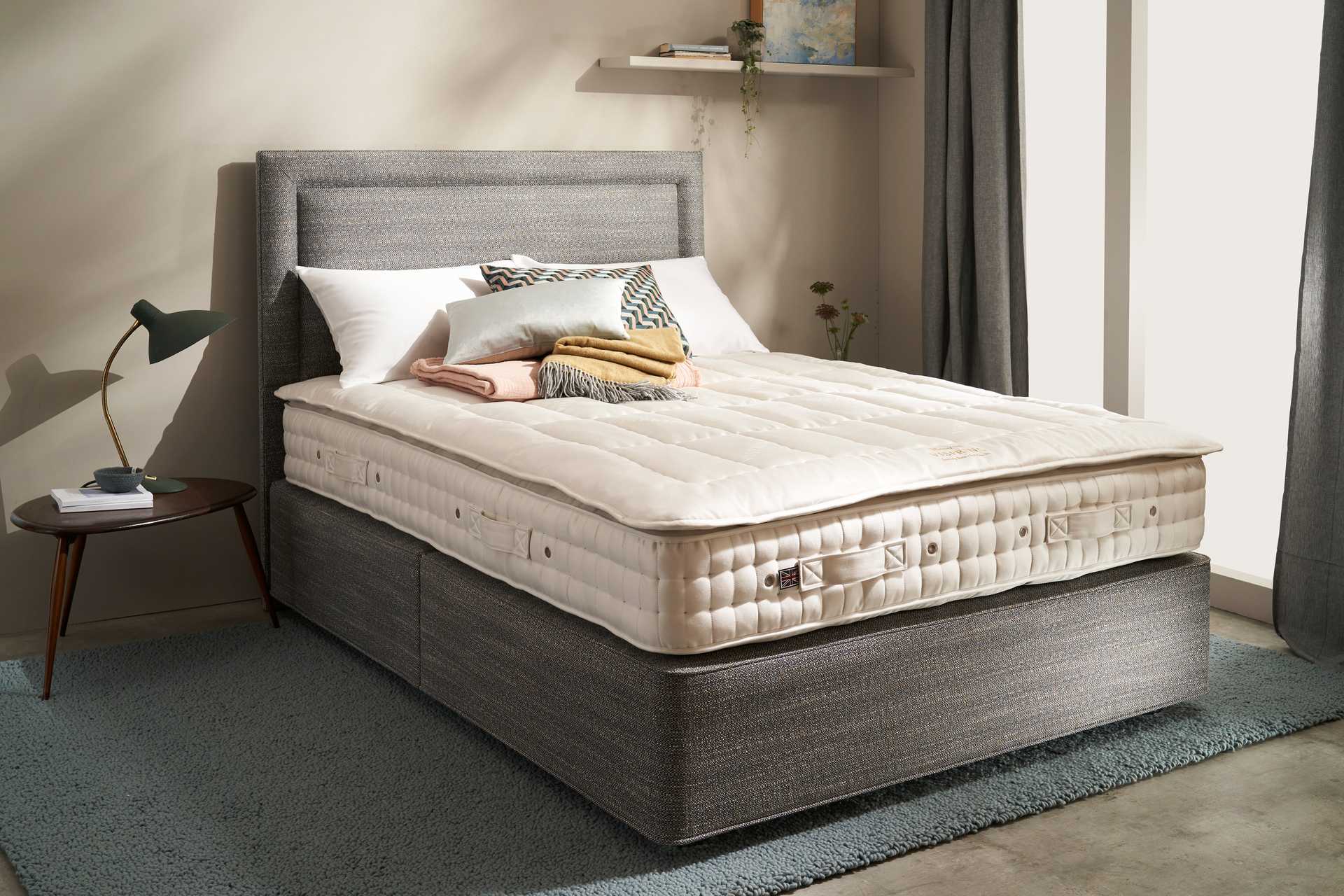
Healthy Choice similarly prioritizes organic materials and non-toxic design. Their latex-focused options typically align with a broader philosophy of safe, natural sleep environments, with attention to hypoallergenic properties, breathability, and durable construction. When comparing Healthy Choice latex mattresses, consider the latex type, the firmness of individual layers, and the overall temperature management strategy of the bed, including the role of pillow-top structures or wool and cotton blend covers that enhance comfort without adding unsafe chemicals.
5) How organic certifications and materials affect sleep health
The choice of latex and the certification ecosystem surrounding a mattress directly influence indoor air quality, sleep health, and user experience. Organic latex, when certified by GOLS, is produced from latex that comes from organic farming practices, with attention paid to the processing steps to avoid synthetic additives. This reduces exposure to potential chemical residues that can off-gas over time. For bedrooms, where a sleeper spends many hours, even small reductions in VOC exposure can contribute to a calmer sleep environment over the long term.
Material choices extend beyond the latex core. The cover fabric, binding, and any additional comfort layers (e.g., cotton or wool) contribute to the overall safety and comfort. A GOTS-certified cover, for instance, further lowers the risk of residual chemicals from dyes, finishes, or processing aids. GREENGUARD Gold certification adds another layer of confidence by focusing on overall indoor air quality performance, including emissions over time and real-world use conditions.
6) Practical guidance for consumers: selecting a latex mattress that aligns with healthy bedroom goals
If you’re navigating this market with a focus on health, comfort, and longevity, consider the following practical steps:
- Identify your sleep position and firmness preference. If you are unsure, a medium-firm latex setup with a thoughtfully designed top layer can accommodate multiple positions and reduce pressure points without sacrificing spinal alignment.
- Prioritize certifications for both latex and textiles. Look for GOLS on the latex core and GREENGUARD Gold or equivalently robust indoor air quality certifications on the cover and any textile components.
- Evaluate heat management strategies. If heat buildup is a concern, review the density and layering, and consider a breathable cover with perforations or a design that promotes airflow through the latex.
- Consider durability and warranty. Latex mattresses typically offer solid longevity, but confirm the manufacturer’s warranty terms and any requirements around rotation or care to maintain performance.
- Balance cost with long-term value. A well-chosen latex mattress may have higher upfront costs but can offer durable comfort and lower ongoing maintenance costs, aligning with a long-term healthy bedroom plan.
7) A note on the broader sleep ecosystem: the bedroom as a holistic health hub
The health of your sleep environment depends on more than the mattress alone. In the broader context of thehealthybedroom.com, consider how a latex mattress integrates with other components: non-toxic bedding, breathable sheets, appropriate temperature control, and clean air in the room. A mattress that prioritizes organic materials and low emissions works best when paired with clean air strategies, like improved ventilation, humidity management, and thoughtful acoustic design. The interplay between mattress design and room conditions is a reminder that sleep health is a function of many interconnected choices.
8) Real-world takeaways and considerations for readers
For readers focused on the healthy bedroom ethos, the following takeaways are practical and actionable:
- Invest in a latex mattress with clear organic certifications (GOLS for latex, GREENGUARD Gold for textiles) to minimize chemical exposure and improve indoor air quality.
- Ask questions about layer construction: Is there a foundational Dunlop or Talalay core, and are there additional comfort layers? How do these choices align with your preferred firmness and temperature needs?
- Pair your latex mattress with a breathable cover and natural bedding materials like cotton or wool to support temperature regulation and hygiene.
- Consider a mattress protector or encasement made from organic fabrics to guard against spills and allergens without compromising breathability.
- Test sleep comfort holistically: how you feel after a night’s sleep, the absence of heat buildup, and the ease of movement across the surface are as important as any lab-tested metric.
9) Product note: examples available through the site
If you’re shopping on this platform and looking for a concrete option that aligns with the organic latex narrative, you can explore the following product that fit the broader ethos of healthy, non-toxic sleep environments:
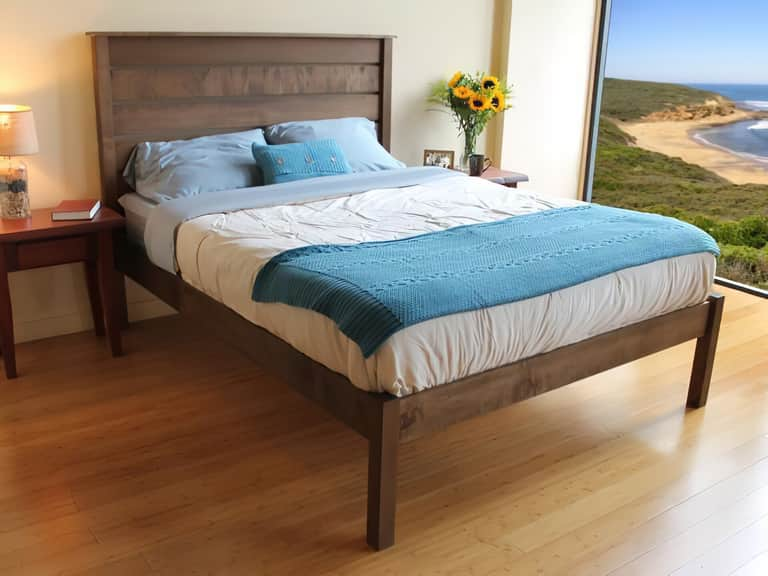
- Savvy Rest Esmont Platform Bed — A solid wood bed frame that complements organic sleep systems. While not a latex mattress itself, a sturdy, non-toxic frame is a crucial base for any sleep setup, ensuring stability and reducing unwanted off-gassing from lower-quality foundations.
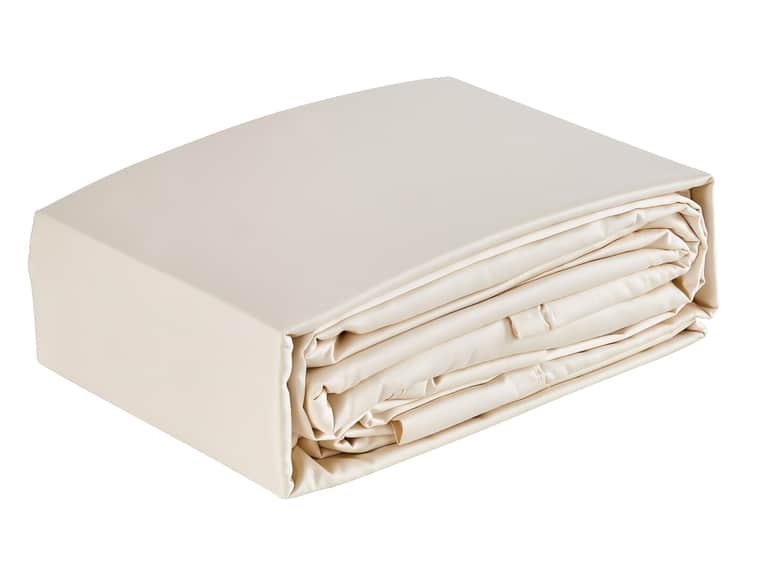
- Sleep and Beyond mySheet Set — Organic cotton sheets that pair well with latex-based sleep systems, offering a breathable and skin-friendly surface for temperature balance and comfort.
- Sleep & Beyond Organic Cotton Percale Duvet Cover Set — A crisp, breathable cover that enhances cool comfort, aligning with latex’s cooling potential when paired with appropriate bedding.
These examples illustrate how the site’s product ecosystem supports a holistic healthy-bedroom strategy. Each piece contributes to a sleep environment that minimizes exposures and maximizes comfort, which is especially important for sleepers sensitive to allergens or chemicals.
10) Final reflections: sleeping well in a healthier bedroom
Choosing an organic latex mattress is one piece of a larger puzzle. The goal is to create a sleep sanctuary that feels both scientifically grounded and emotionally comforting. The best sleep environment blends evidence-informed decisions with everyday practicalities: a room temperature that supports circadian rhythms, a clean air strategy to reduce irritants, quiet and dark conditions that promote deep rest, and a mattress system that offers durable support with a natural, toxin-free surface.
In the end, the healthiest bedroom is one that you can trust—where materials meet standards you can verify, and where comfort is built on layers of thoughtful design. The journey toward that sleep is personal, but the science of organic latex provides a reliable compass: a durable core, a breathable surface, and a packaging of certifications that together invite calmer nights and brighter mornings.
If you’d like, I can tailor a 12-week editorial plan or a site-structure blueprint that aligns with the Direction A focus on Sleep Hygiene and Bedroom Environment Resource, including category pages, buyer-guides, and mythology-busting FAQs that educate readers while reinforcing the site’s non-commercial, evidence-informed stance.
Note: This article references general industry knowledge about latex mattress types and certifications, and it highlights example products available on this site. It does not constitute medical advice. For personalized recommendations, consult a sleep specialist or a certified ergonomic professional.