 Bedding
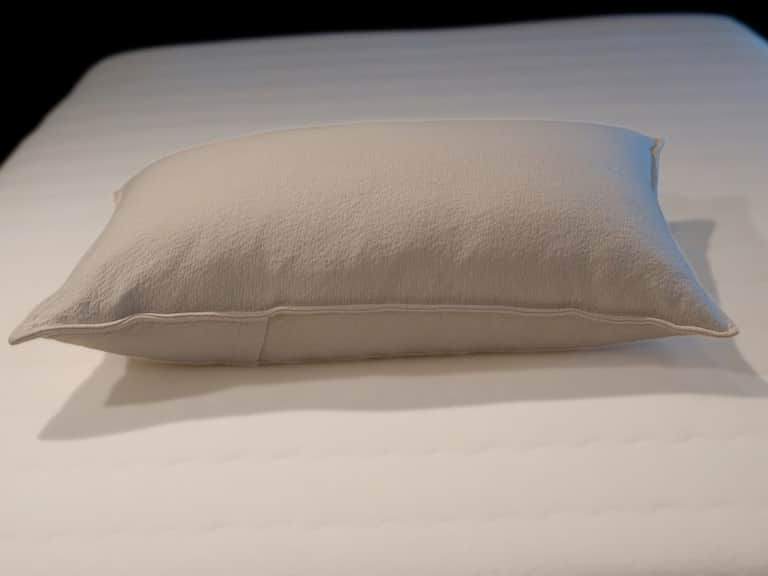
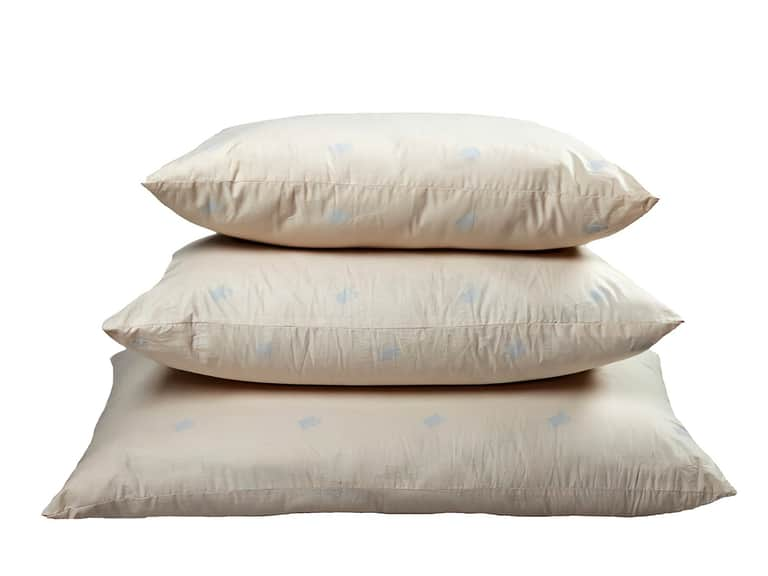
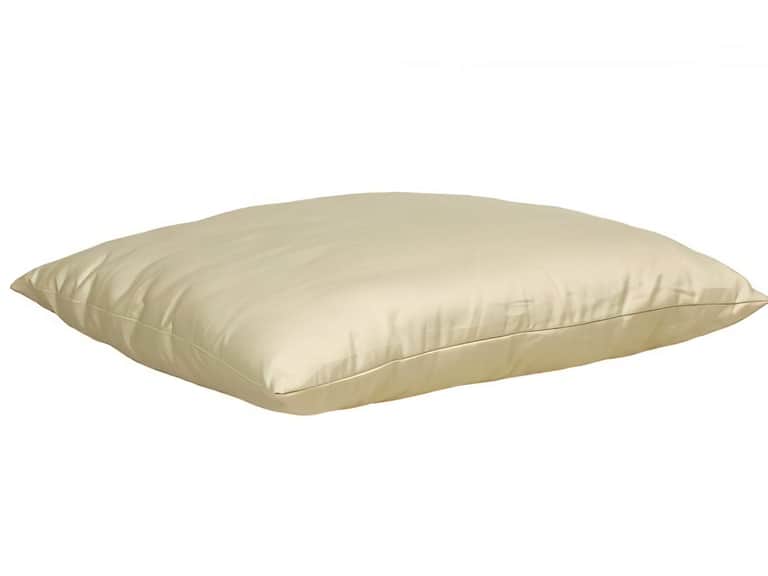
Healthy Choice Organic Wool Pillow
Sleep cooler or warmer as needed with breathable, plush wool and soft organic cotton—comfort, durability, and eco-friendly ethics in a pillow you’ll love year after year.
Wool as a bedding material offers natural temperature regulation, moisture management, and hypoallergenic properties that contribute to a balanced sleep environment. This category highlights the role of wool in sheets, pillows, and related textiles, explaining how its breathable fibers help maintain comfort across seasons while supporting clean air quality in the bedroom.
Key characteristics of wool in bedding include its moisture-wicking capacity, which helps reduce nighttime dampness, and its insulating but breathable structure that adapts to body heat. Knitted or woven wool fabrics can provide a soft, cushioned feel for varied sleep preferences, with durable fibers designed to resist wear over time.
The Healthy Choice Organic Wool Pillow exemplifies this category’s focus on ergonomic support and natural materials. Its design prioritizes gentle neck alignment, pressure distribution, and long-lasting resilience, while organic wool emphasizes fiber cleanliness and sourcing practices that favor sustainability and health-conscious use.
In addition to pillows, wool-based sheets and related textiles leverage natural elasticity and filament strength to reduce fabric breakdown. These features support easy care, reduce pilling, and maintain loft, which contributes to consistent comfort for different sleeping positions and sensitivities found in nurseries and family rooms.
Within this wool category, consumer education centers on choosing temperature-appropriate weights, fiber contents, and certifications. By understanding how wool interacts with bedding layers, you can optimize comfort for nursery needs, seasonal changes, and personal sleep preferences while aligning with bedding, pillows, sheets, latex, and nursery-related considerations.
Bedding
 Bedding
 Bedding